
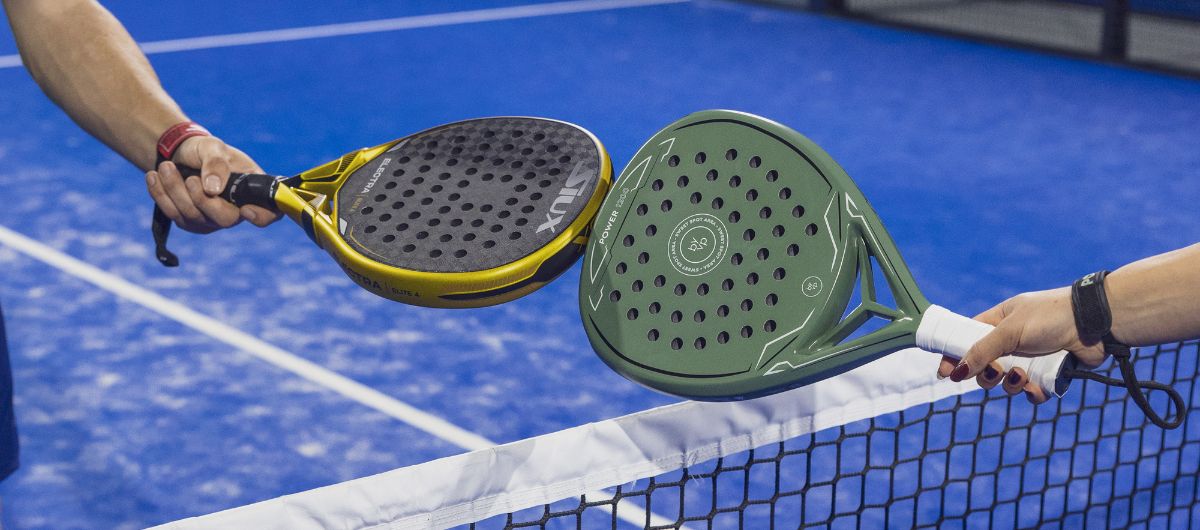
Padel Rules Explained (Australia Guide for Beginners)
So you’ve booked a court, borrowed a racquet, and now you’re standing there thinking: what are the actual rules here?
Good news: padel is simple. If you understand the serve, the scoring, and how the walls work, you can jump into a social match anywhere in Australia without stress.
This beginner guide explains the official padel rules in a clear way, whether you're playing your first hit in Sydney, Melbourne, Brisbane or anywhere else in Australia.
What Is Padel?
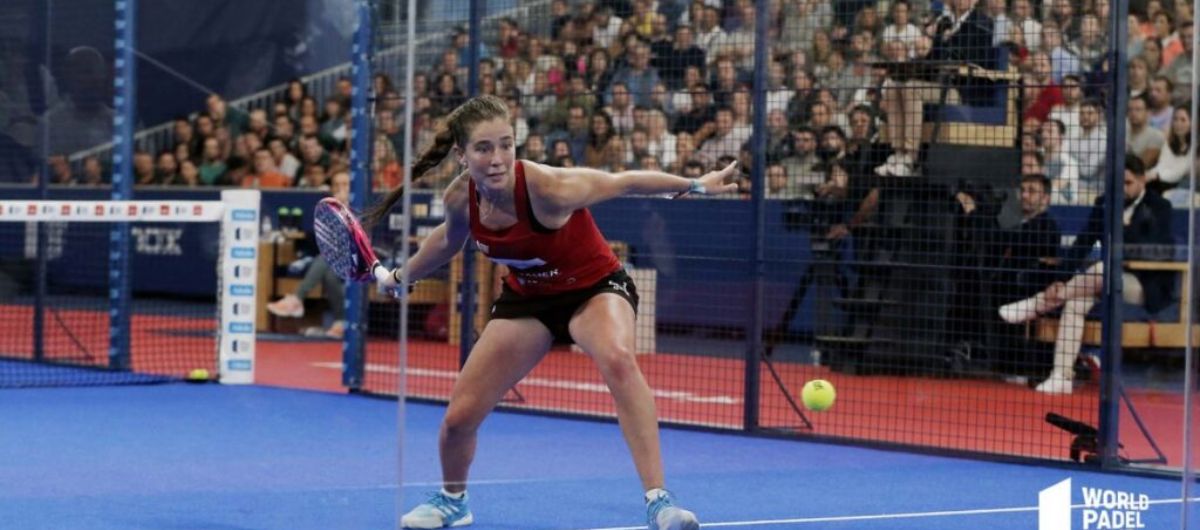
Padel is usually played in doubles on a smaller court than tennis, surrounded by glass and mesh fencing. The scoring system feels familiar if you’ve played tennis before, which makes it easy to pick up.
What makes padel different is the glass. The walls are part of the game. Rallies last longer, the pace is fun, and beginners often enjoy it quickly because you get more chances to play the ball.
As padel continues growing across Australia, more social clubs and new courts are opening every year.
The One Rule That Explains Almost Everything
If you remember just one thing about padel rules, make it this: If the ball bounces on the ground first, the walls are in play. That means if the ball lands inside the court and then hits the glass, the rally continues. But if it hits the glass before bouncing, it’s out. Once this clicks, the game starts to feel logical.
Scoring in Padel (Yes, It’s Like Tennis)
Padel scoring in Australia follows standard international rules, which are the same as tennis.
The points go 0, 15, 30, 40, game. The first team to win six games wins the set, usually by two clear games. Most matches are best of three sets.
At 40–40, you reach deuce. In many social matches around Australia, players use a golden point system, where the next point decides the game. In more competitive matches, you’ll play advantage scoring. If you're unsure which format your club uses, just ask before you start.
The Serve: Underarm and Below the Waist
This surprises most new players. In padel, the serve must be underarm. You let the ball bounce once behind the service line and then hit it diagonally into the opposite service box. The contact must be at or below waist height.
Power doesn’t matter much here. A consistent serve is far more effective than a fast one. There are two serves, just like tennis. And don’t step on or over the service line as you hit.
One detail beginners often miss:
After your serve lands in the correct service box, it can bounce and then hit the back glass. That’s completely legal. But if it hits the glass before bouncing, it’s a fault.
What Counts as In or Out?
Keep it simple.
- If the ball lands inside the lines, it’s in. The lines count. If it lands outside the lines, it’s out.
- If it hits the fence before bouncing on your opponent’s side, it’s out.
- If it bounces twice on your side, you lose the point.
- If you hit the net and it comes back to your side untouched, the point is over.
During rallies, once the ball has bounced on your side, it can hit your back glass and you can still return it.
You cannot hit the ball directly into the opponent’s glass without it bouncing first. Wall first is always out.
Can the Ball Go Outside the Court?
Yes, and this is one of the unique parts of padel. If your shot bounces inside your opponent’s court and then flies out of the enclosure, the point is still live. If there’s an opening in the court, your opponents can run outside and try to return it.
In beginner matches across Australia, this doesn’t happen often. But as the level improves, it becomes more common.
Common Beginner Mistakes in Padel
Most new players in Australia make the same early mistakes. Trying to hit winners too soon is one of them. Padel rewards patience. A controlled, deep shot will win you more points than a risky smash.
Another mistake is standing too far back near the glass. While it feels safe, points are usually won at the net. Move forward together with your partner when you get a shorter or slower ball.
And finally, don’t panic when the ball hits the glass. The rebound actually gives you extra time. Let it bounce, watch the angle, and play it calmly.
Beginner-Friendly Padel Racquets in Australia
If you’re just starting out, choosing the right racquet makes a huge difference. As a beginner, you’ll benefit far more from control, comfort and forgiveness than from maximum power.
Here are three excellent beginner padel racquets available in Australia that make learning the game easier from day one.
1. Tecnifibre Wall Breaker 360

The Wall Breaker 360 is a very accessible racquet for new players. It offers a comfortable feel and a generous sweet spot, which helps reduce mishits while you’re still developing your timing.
Its balanced design gives beginners enough power without sacrificing control. For players in Australia who are new to padel and want something reliable and easy to handle, this is a strong starting point.

The Precision 1800 lives up to its name. This racquet focuses on control and comfort, making it ideal for beginners who want to build consistency.
It feels stable during rallies and is forgiving on off-centre hits. If your goal is to learn proper technique and keep more balls in play, this is a very sensible beginner padel racquet choice in Australia.
3. Siux Velox Flex Blue
The Velox Flex Blue is designed specifically with comfort and ease of use in mind. The softer feel helps absorb vibration, which is great for new players still adjusting to padel technique.
It offers a good blend of control and light power, making rallies easier and more enjoyable. For first-time buyers looking to buy a padel racquet in Australia, this model provides a forgiving and confidence-building experience.

Leave a comment
This site is protected by hCaptcha and the hCaptcha Privacy Policy and Terms of Service apply.